ParisianHands
2025
My mother humming Édith Piaf in the room next door.
If I search for more memories, I find my mother painting, her red nails always perfectly done.
The smell of paint drags me into the awe of the almost-touch between God and Adam1, replicated to exhaustion on t-shirts, TV commercials, and books of every kind.
That divine tension, which yearns but never arrives, carries me to the deepest of oceans, eyes fixed on the ceiling of the universe, where the creation of Adam sleeps, fully formed. Did they ever touch, one day? Or did they live disconnected, with an energy traveling between their fingers?
Whoever creates images knows that everything carries intention, whether consciously or not.
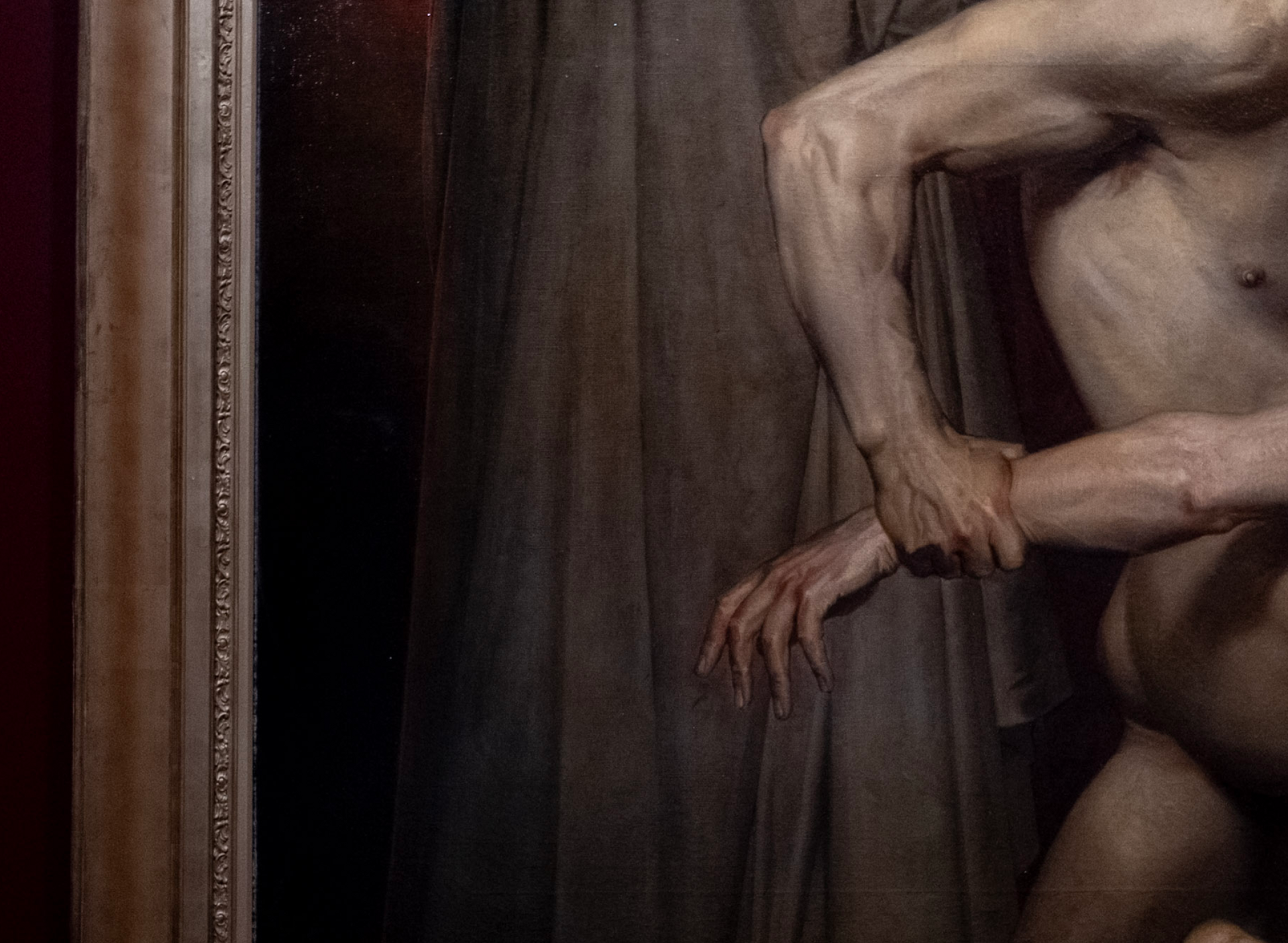
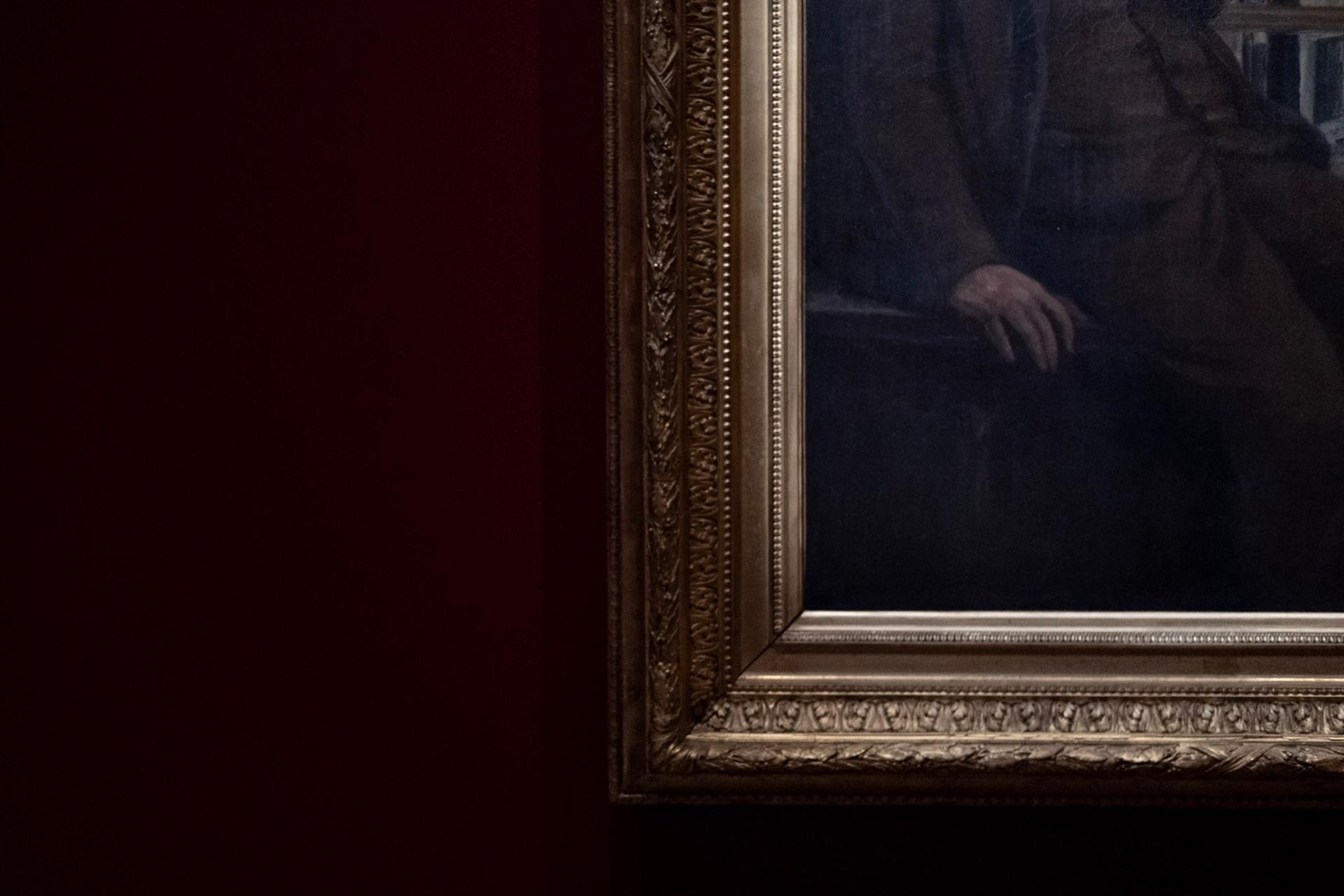
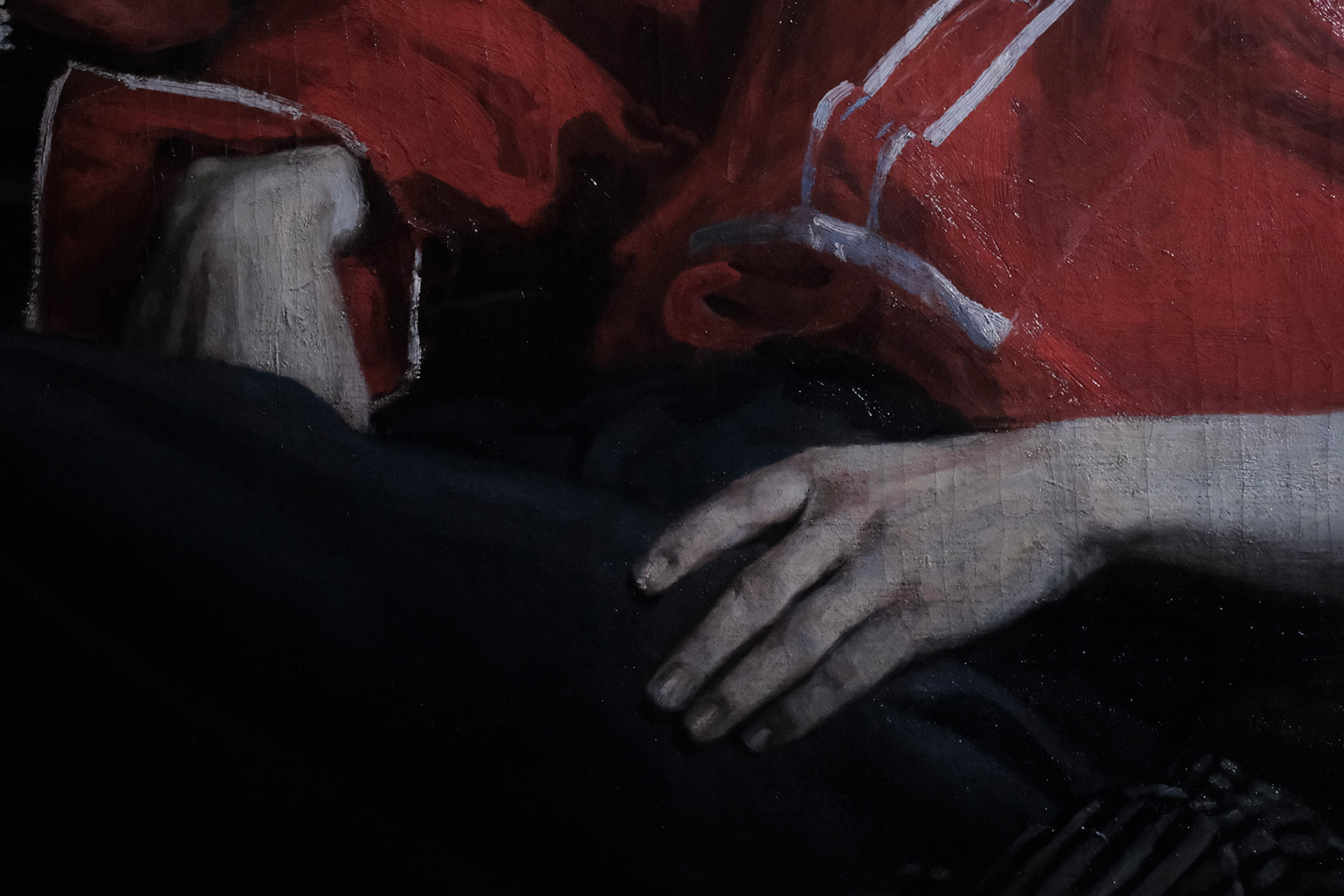
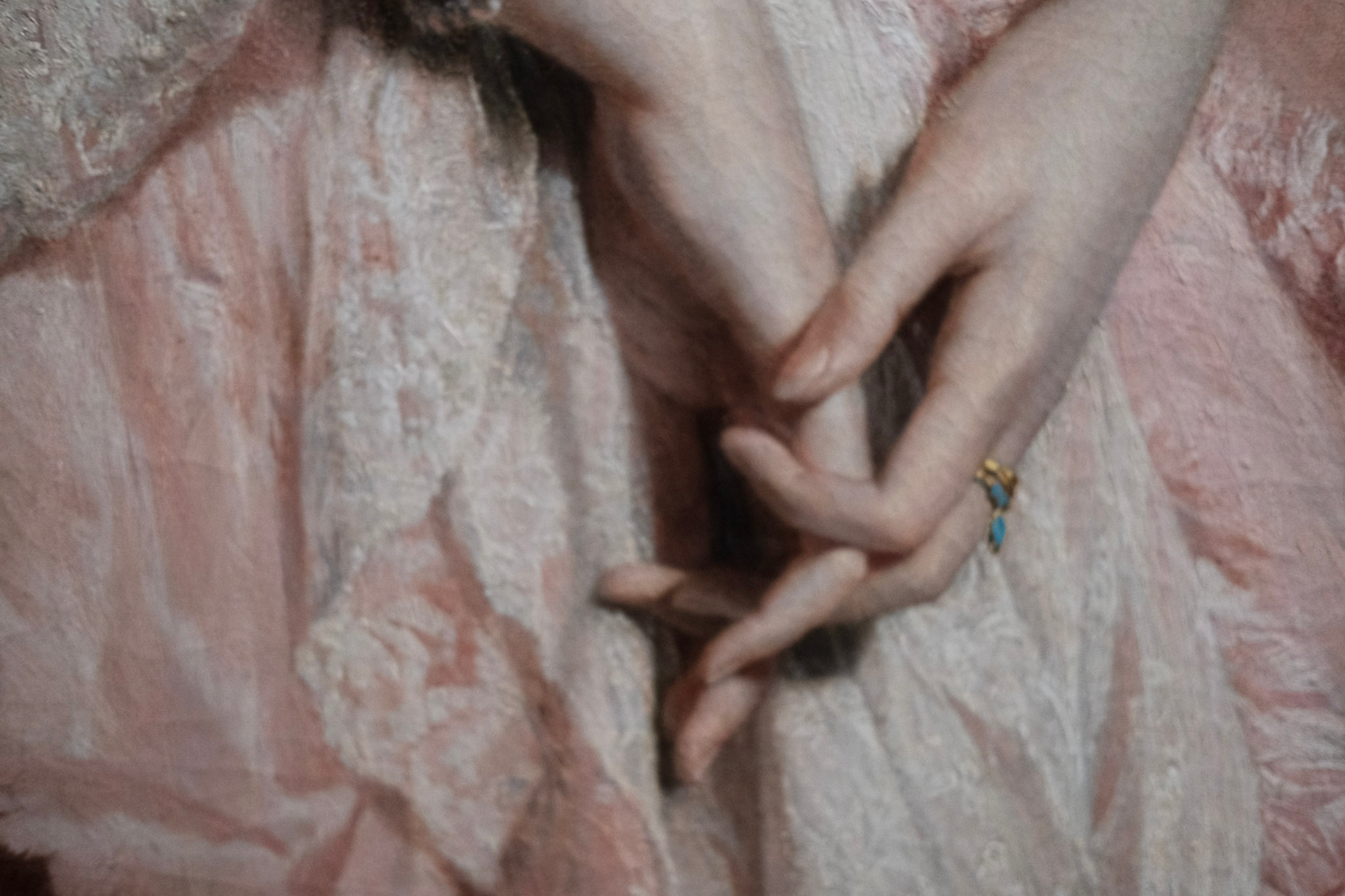
These images were created with intention — one day at the Musée d'Orsay, inside the sea, eyes toward the ceiling of the universe. What song would my mother sing in the galleries of this museum? Where would her hands come to rest?
What song would mymother singin the galleriesof this museum?
photograph of an artwork is nothing more than a record without the aura of the original.
These images can also be read as simple reproduction. They are no longer the smell of paint and red nails. Walter Benjamin already argued2 that, in the age of technical reproducibility, a photograph of an artwork is nothing more than a record without the aura of the original. To reproduce is not to create. God and Adam replicated on t-shirts can be exhaustion, the memory of something already seen, or merely surface tension.
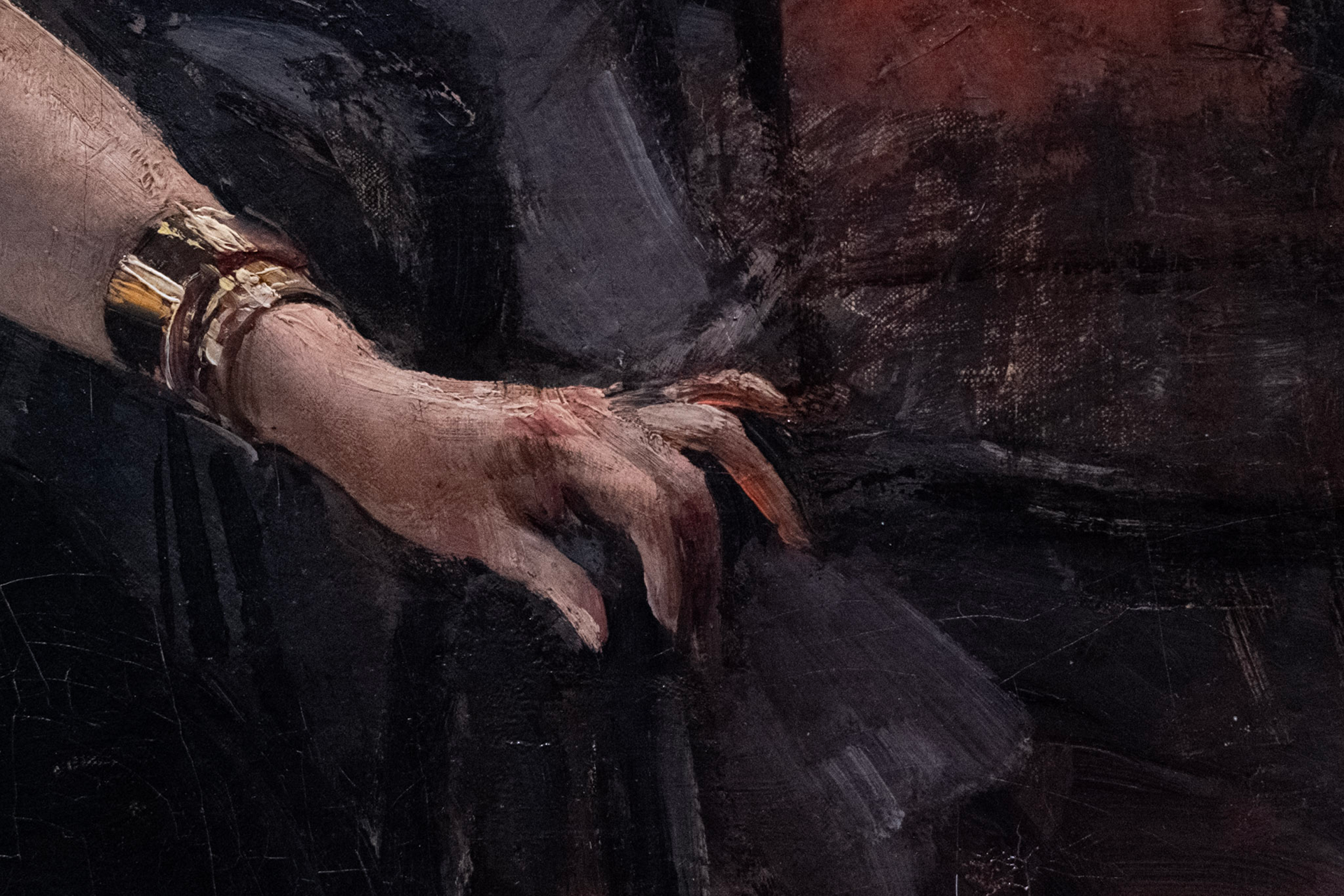
Whoever has rested a hand on the surface of a pool knows what that kind of invisible elastic membrane feels like against the skin. In the same way, whoever has looked at photographs in a newspaper knows those images are not neutral: if a photographer chose what to show and what not to show, that in itself is already a reading — and, as Rosalind Krauss reinforces3, photography functions as an index that re-signifies the original, becoming a creation in its own right.
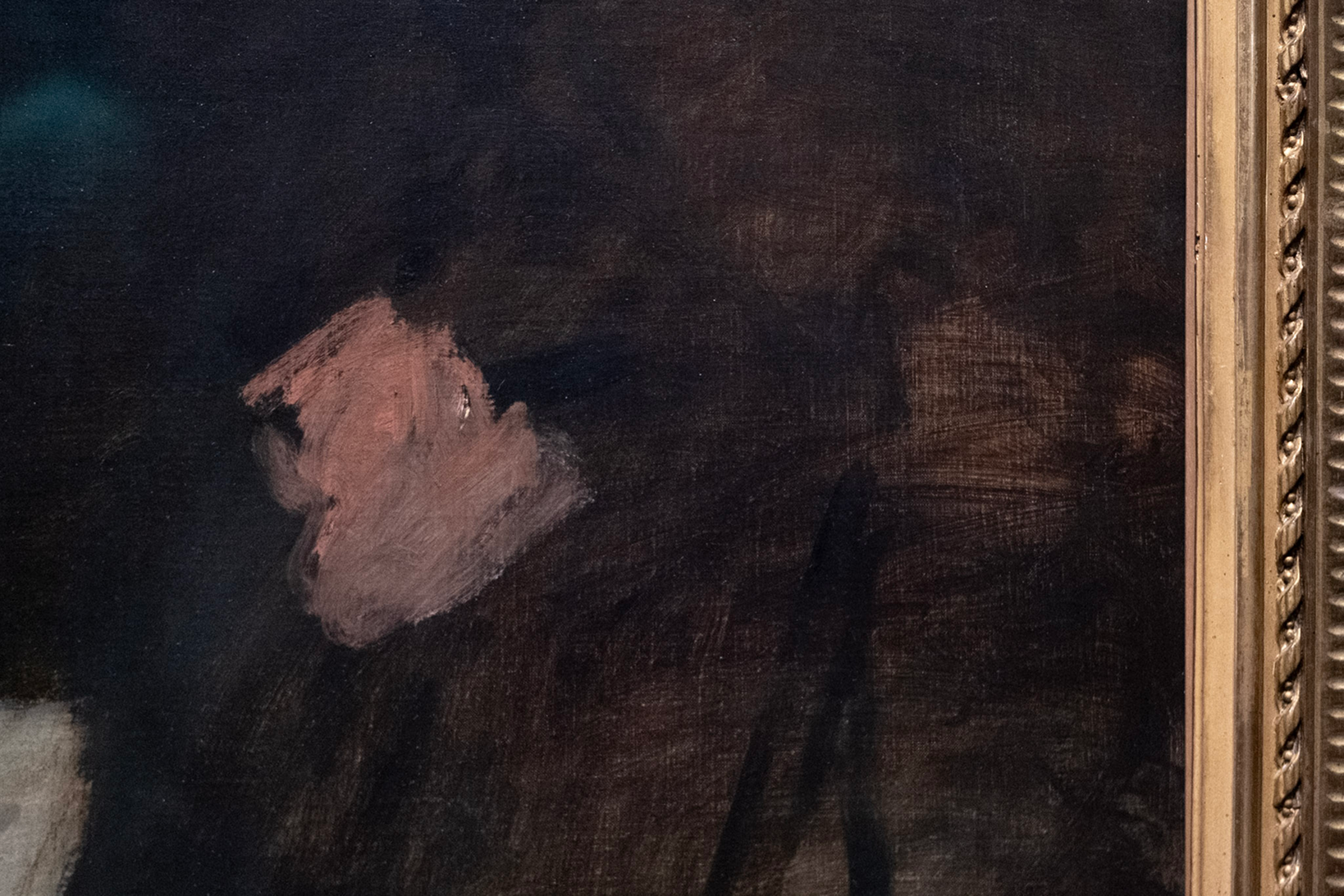
Not everyphotois memory
Sebastião Salgado rightly noted, in one of his last interviews 4 that not every photo is memory. A hand resting in one of the climate-controlled rooms of the Musée d'Orsay is art — paint and interlaced fingers hiding fears and longings. An AI-recreated video of a past event, from a time when your family didn't even own a camera, is not memory. It might offer a glimpse of the unattainable quality of a Michelangelo, but its place in space-time never existed, never had an aura.
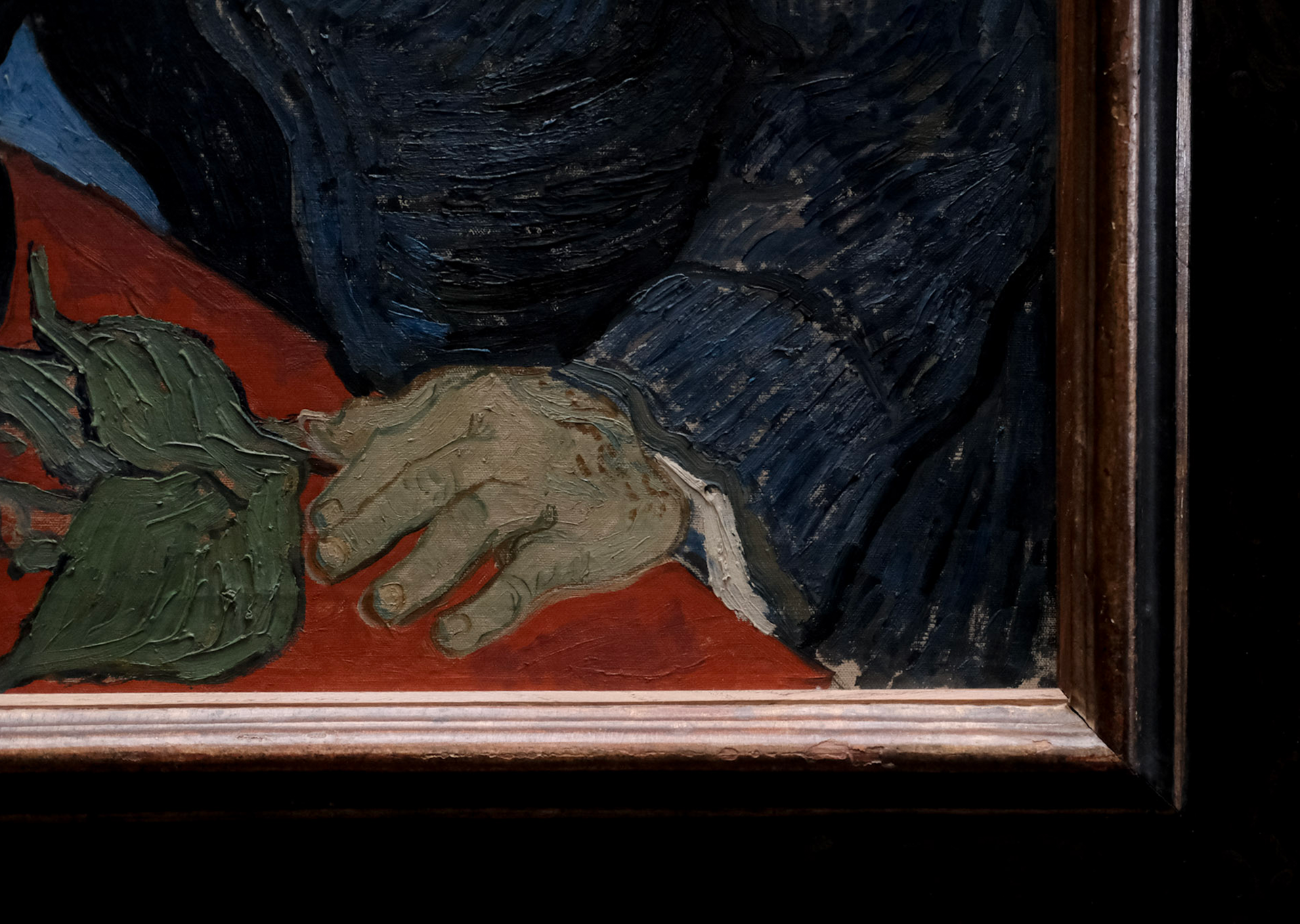
My hands rest on my beard — my addicted hands. As Darian Leader mentions in Hands: What We Do with Them – and Why5, they stroke the beard in an obsessive gesture that even makes a sound that irritates my wife.
Conscious or not, hands reveal our weaknesses, our history — and maybe that's why they also hold our memory.
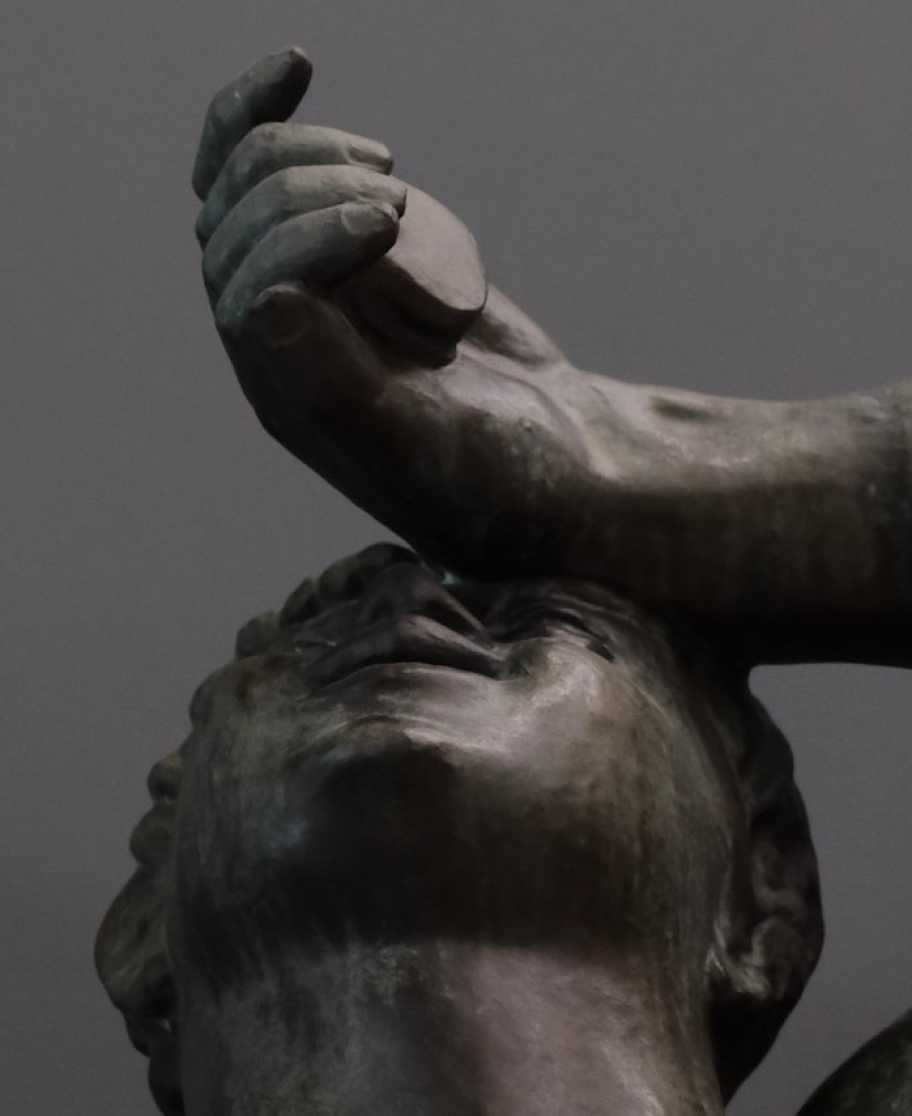
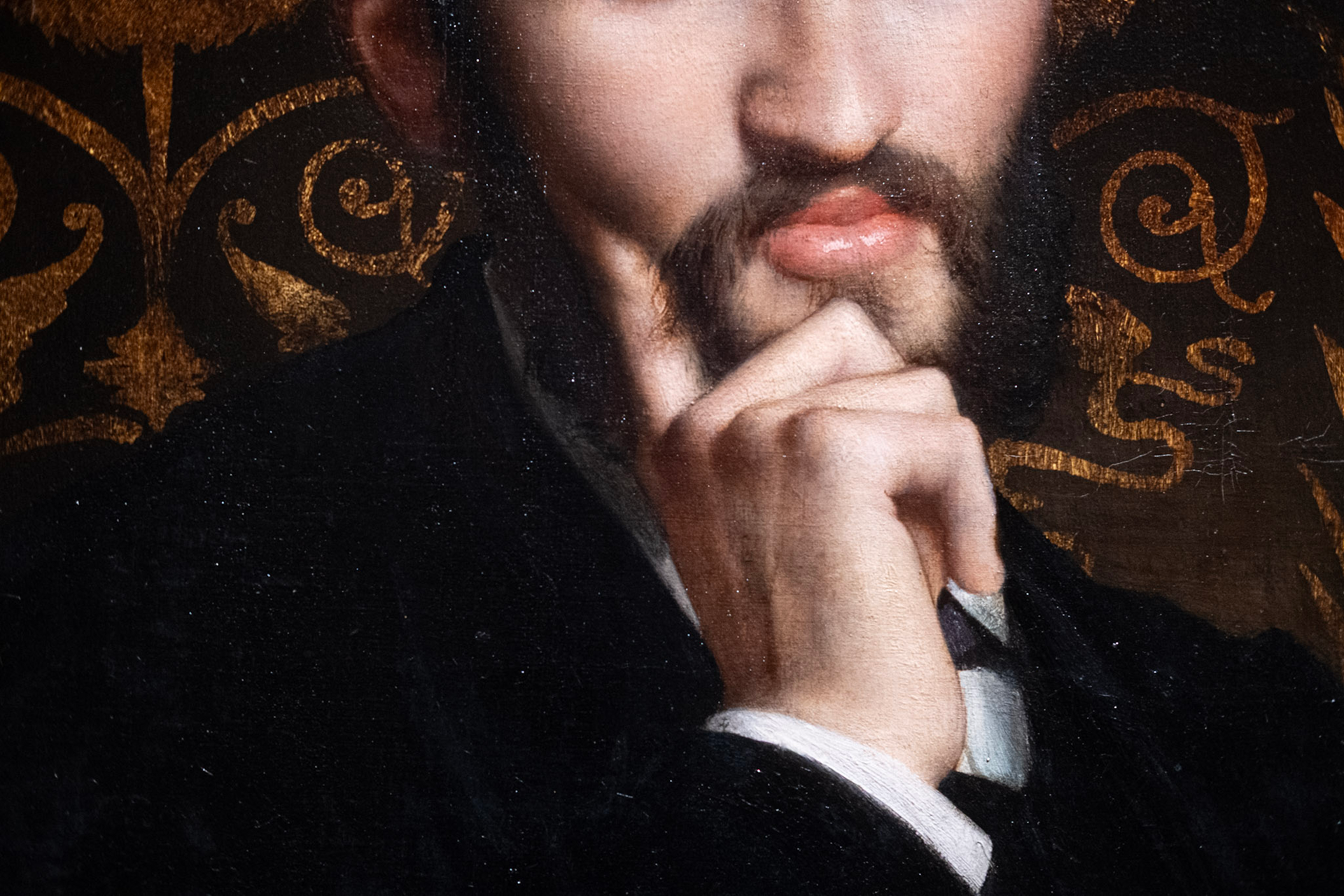
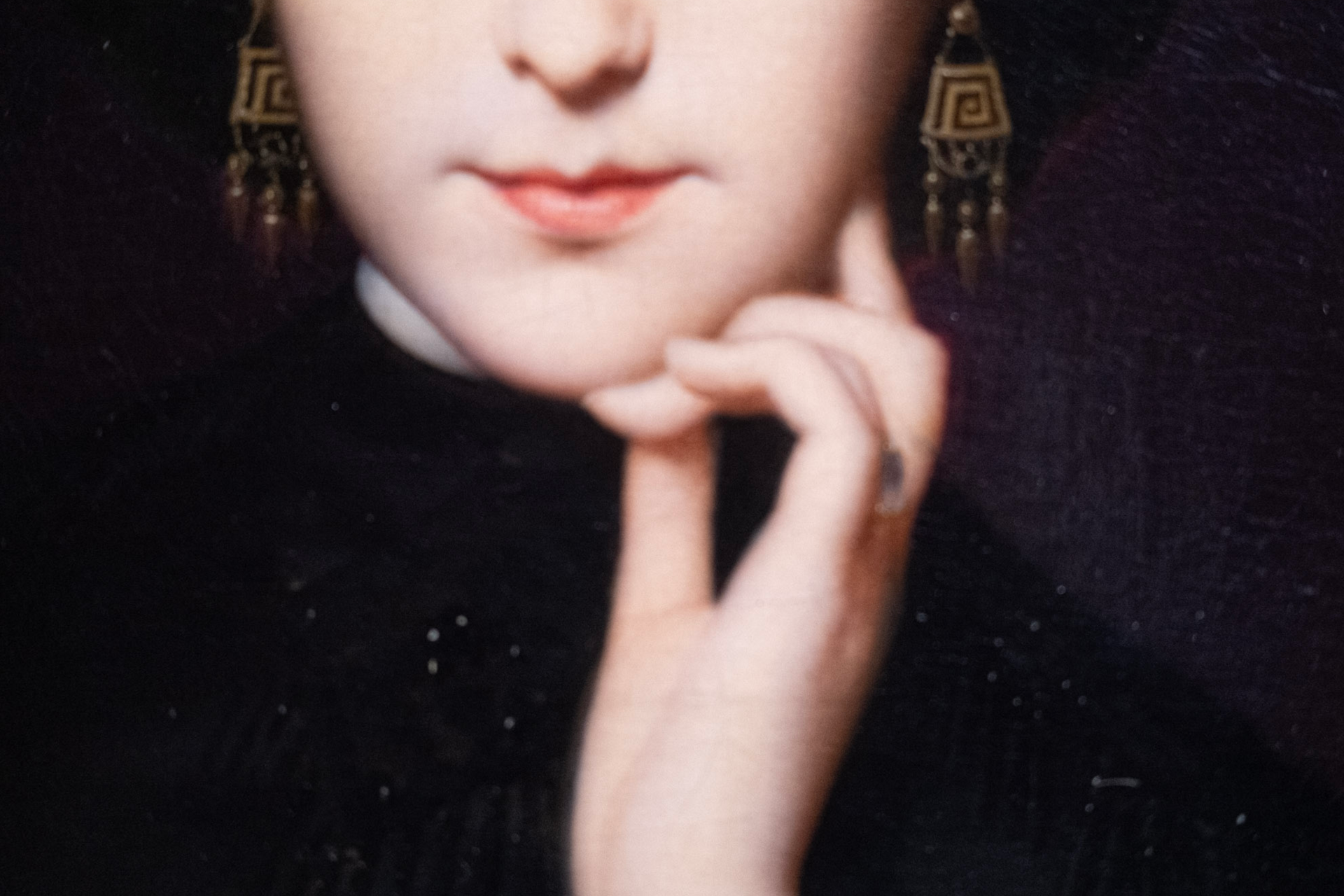
Whoever creates images knows what to show; whoever poses for a photo sometimes doesn't know what to do with their hands, perhaps because hands speak more than the sitter would like to reveal.
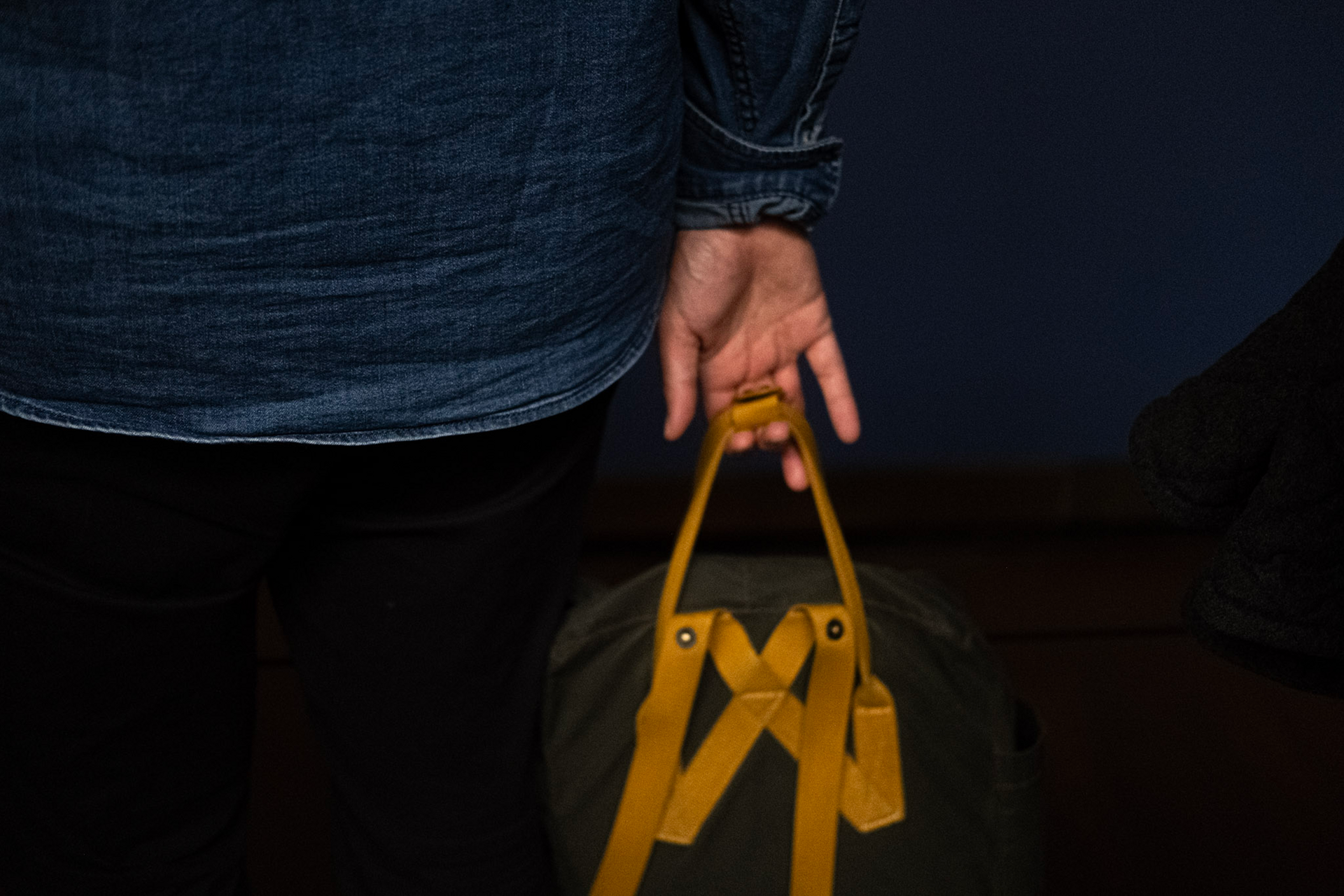
Sometimes I rest my hand on the surface of the pool — maybe it's our skins touching again, maybe it's whether God ever touched Adam.
The real message is AI sucks
StayFuckingHuman
Notes
- MICHELANGELO Buonarroti. The Creation of Adam (fresco, c. 1508–1512). Sistine Chapel ceiling, Vatican City. Detail of the hands available at: Wikimedia Commons. Accessed 2026. Available at: Wikimedia Commons.
- BENJAMIN, Walter. The Work of Art in the Age of Mechanical Reproduction [Das Kunstwerk im Zeitalter seiner technischen Reproduzierbarkeit]. First version, 1935.
- KRAUSS, Rosalind. “Notes on the Index: Seventies Art in America, Parts 1 and 2.” October, vol. 3 (Spring 1977) and vol. 4 (Autumn 1977).
- SALGADO, Sebastião. Final interview given to RFI, Normandy, March 2025, on the occasion of the retrospective “Sebastião Salgado: Works from the MEP Collection.” Republished in: CartaCapital, May 27, 2025. Available at: CartaCapital.
- LEADER, Darian. Hands: What We Do with Them – and Why. London: Hamish Hamilton, 2016.